
Optimal Seasons for Tree Trimming
Tree trimmings are an essential part of maintaining healthy and attractive trees. Proper timing ensures optimal growth, disease prevention, and safety. Understanding the best periods for trimming helps preserve the natural shape of trees and encourages vigorous development.
Best for shaping and removing dead or damaged branches before active growth begins.
Ideal for thinning dense canopies and controlling growth during the peak season.
Suitable for reducing risk of storm damage and preparing trees for winter dormancy.
Less invasive; allows for easier access and can promote healthy growth in the following season.

Ways to make Tree Trimmings work in tight or awkward layouts.

Popular materials for Tree Trimmings and why they hold up over time.

Simple add-ons that improve Tree Trimmings without blowing the budget.

High-end options that actually feel worth it for Tree Trimmings.
| Tree Type | Optimal Trimming Time |
|---|---|
| Deciduous Trees | Late winter to early spring |
| Evergreen Trees | Late spring to early summer |
| Fruit Trees | Late winter or early spring |
| Maple Trees | Late winter |
| Oak Trees | Late winter or early spring |
| Pine Trees | Late spring |
| Cedar Trees | Late winter |
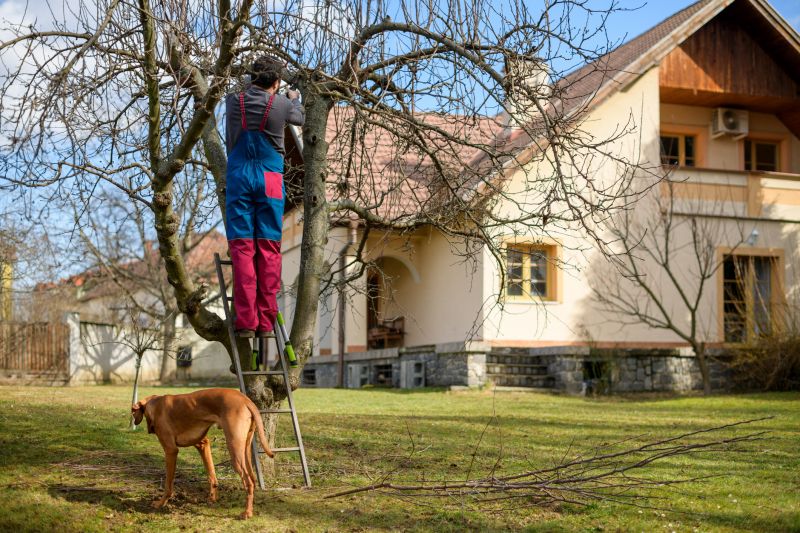
Finishes and colors that play nicely with Tree Trimmings.

Little measurements that prevent headaches on Tree Trimmings day.
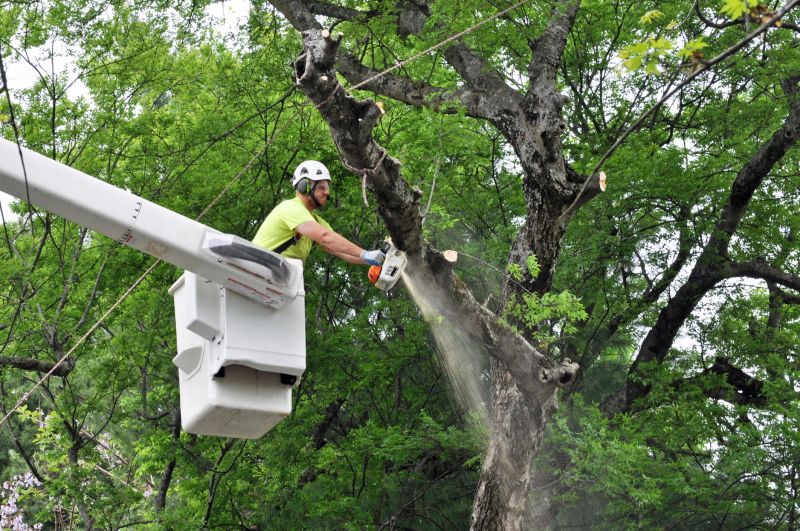
A 60-second routine that keeps Tree Trimmings looking new.
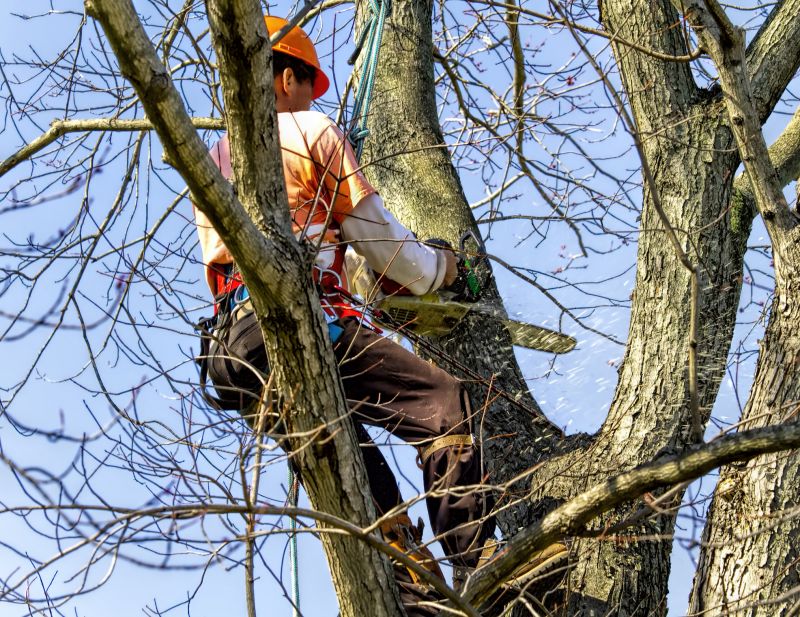
A frequent mistake in Tree Trimmings and how to dodge it.
Trimming is most effective during specific seasons depending on the tree type and purpose. Late winter or early spring is generally best for most deciduous trees.
Frequency varies by tree species and health, but typically every 1 to 3 years is recommended for mature trees.
Yes, proper trimming enhances fruit production and health by improving airflow and light exposure.
Incorrect trimming can lead to weak growth, disease susceptibility, or structural damage.
For those interested in maintaining healthy and well-shaped trees, scheduling trimming during the appropriate season can make a significant difference. Proper timing, combined with professional techniques, helps preserve the longevity and safety of trees on the property.